Easy Fried Cabbage Recipe with Bacon

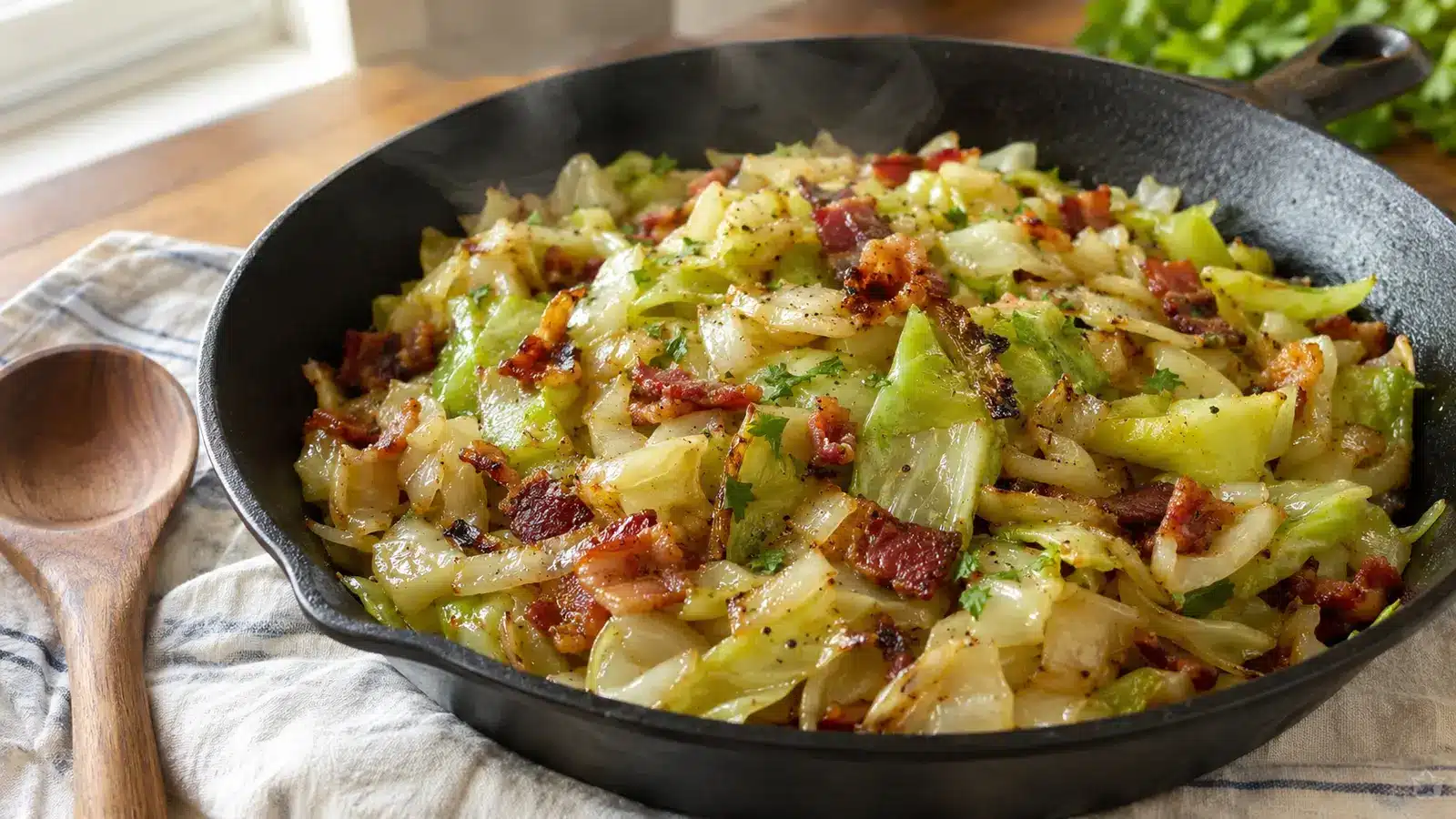
Table of Contents
When I need a fast side dish that tastes like it simmered all afternoon, I make this easy fried cabbage recipe. A humble head of green cabbage turns sweet and tender in a hot skillet, while bacon, onion, garlic, and a small splash of vinegar bring savory depth and balance. The edges pick up golden color, the center stays pleasantly soft, and the whole recipe is ready in about 30 minutes. It is the kind of practical comfort food that works beside chicken, pork chops, sausage, or cornbread. Even people who think cabbage is boring often go back for another spoonful. Best of all, everything cooks in one pan with inexpensive grocery-store ingredients.

Why This Easy Fried Cabbage Recipe Works
Fried cabbage is not deep-fried. The name describes cabbage cooked in a skillet with flavorful fat until it softens and caramelizes. Bacon drippings coat the cabbage, onion adds sweetness, and garlic gives the dish a savory finish. Cooking uncovered for part of the time lets excess moisture escape, so the cabbage develops browned edges instead of becoming watery.
This method is quick enough for a weeknight and flexible enough to match what you have. You can make it smoky, spicy, meatless, or extra hearty with sliced sausage. If you like simple skillet dinners, my Cabbage Alfredo is another cozy way to turn cabbage into a satisfying meal.
What Does Fried Cabbage Taste Like?
Properly cooked fried cabbage tastes mildly sweet, buttery, smoky, and savory. It should not have the strong sulfur smell associated with overcooked cabbage. High heat at the beginning creates caramelized flavor, while a short covered cooking period tenderizes the thicker pieces. Apple cider vinegar brightens the final dish without making it sour.

Ingredients You’ll Need
This recipe uses a short list, but each ingredient matters. Choose a firm green cabbage with crisp leaves and no soft spots. One medium head yields about eight packed cups after the core is removed and the leaves are chopped.
- Green cabbage: The sturdy leaves become tender while keeping enough texture for skillet cooking.
- Thick-cut bacon: Adds smoky flavor and provides cooking fat.
- Yellow onion: Softens into sweet, golden pieces that blend with the cabbage.
- Garlic: Adds savory aroma; add it late enough that it does not burn.
- Butter: Rounds out the bacon flavor and helps the cabbage brown.
- Smoked paprika: Reinforces the smoky notes without making the dish hot.
- Apple cider vinegar: Cuts through the richness and wakes up the finished skillet.
- Salt and black pepper: Season carefully because bacon already contains salt.
Green cabbage is also listed in USDA FoodData Central, a useful reference when you want to check nutrition data for basic ingredients. Visit USDA FoodData Central for the current database.
How to Cut Cabbage for Frying
Remove any damaged outer leaves, then cut the cabbage through the stem into four wedges. Slice away the firm white core from each wedge. Chop the leaves into pieces about 1 1/2 inches wide. They do not need to be perfectly uniform, but very small shreds soften too quickly while huge pieces remain tough.
Rinse the chopped cabbage in a colander if needed, then dry it well. Water left on the leaves creates steam and slows browning. A salad spinner works quickly, or you can spread the cabbage over clean towels and pat it dry.
How to Make Fried Cabbage
Place the chopped bacon in a large skillet or Dutch oven while the pan is still cold. Set it over medium heat and cook until the fat renders and the pieces become crisp, about six to eight minutes. Transfer the bacon to a plate with a slotted spoon, leaving about two tablespoons of drippings in the skillet.
Add the sliced onion and cook until softened and lightly golden. Stir in the garlic for about 30 seconds. Add the butter, then pile in the cabbage. If your skillet looks very full, add the cabbage in two batches; the first handfuls will wilt quickly and make room.
Season with smoked paprika and black pepper. Toss the cabbage so the leaves are coated in the flavorful fat. Cook uncovered for five minutes, stirring occasionally, to develop color. Add two tablespoons of water, cover, and cook for another eight to ten minutes. Uncover and continue cooking until the moisture evaporates and the cabbage reaches your preferred tenderness.
Return the crisp bacon to the pan and stir in the apple cider vinegar. Taste before adding salt. Serve hot while the caramelized edges and bacon are at their best.
Hana’s Tip for Better Browning
Use the widest skillet you have and avoid stirring constantly. Cabbage needs direct contact with the hot surface to develop golden spots. Let it sit for a minute or two between tosses. A crowded, constantly stirred pan traps steam and produces soft cabbage without much caramelization.

Easy Fried Cabbage Variations
For fried cabbage with sausage, brown 12 ounces of sliced smoked sausage after cooking the bacon. Remove it from the skillet, follow the recipe, then stir it back in near the end. The result can be served as a complete one-pan dinner.
For a meatless version, omit the bacon and begin with two tablespoons of olive oil plus one tablespoon of butter. Add a little extra smoked paprika and a pinch of salt. For spicy fried cabbage, add crushed red pepper flakes with the garlic or finish the skillet with hot sauce.
You can also replace green cabbage with Savoy cabbage. Its crinkled leaves cook slightly faster and have a delicate texture. Red cabbage works, but it takes longer to soften and changes the color of the onions and cooking liquid.
Common Mistakes to Avoid
Overcrowding the Skillet
A pan that is too small holds moisture around the cabbage. Use a 12-inch skillet or a wide Dutch oven. If necessary, cook the cabbage in two batches and combine everything at the end.
Adding Too Much Salt Early
Bacon varies in saltiness, and cabbage shrinks as it cooks. Wait until the bacon has returned to the skillet, then taste and adjust. It is easy to add salt but impossible to remove it.
Cooking the Garlic Too Long
Garlic burns quickly in hot bacon fat and becomes bitter. Add it after the onion softens, stir briefly, and follow immediately with butter and cabbage.
Cooking Until the Cabbage Turns Mushy
The ideal texture is tender with a little bite. Begin checking after eight covered minutes. Remember that the cabbage continues to soften for a few minutes after the heat is turned off.
What to Serve With Fried Cabbage
This Southern-style side is excellent with baked chicken, pork chops, meatloaf, ham, or grilled sausage. Cornbread catches the savory pan juices, while mashed potatoes make the plate especially comforting. For another bacon-friendly vegetable side, try my Honey-Glazed Brussels Sprouts with Bacon or Crack Green Beans with Bacon.
For a lighter meal, spoon the cabbage beside roasted chicken or a simple grain bowl. It also makes a flavorful base for a fried egg. If you are planning several practical dinners, my 5-Ingredient Sausage and Veggie Meal Prep and Lemon Herb Chicken Skillet offer more easy ideas.
Storage and Reheating
Cool leftovers promptly and refrigerate them in an airtight container for up to four days. FoodSafety.gov recommends keeping refrigerated foods at 40°F or below; its cold food storage chart is a helpful reference for bacon and other ingredients.
Reheat fried cabbage in a skillet over medium heat with a small pat of butter. This restores some of the browned flavor better than the microwave. You can microwave individual servings in short intervals, but the cabbage will be softer. Freezing is possible for up to two months, though thawed cabbage loses some texture.
Frequently Asked Questions
How do you make fried cabbage without bacon?
Replace the bacon and drippings with olive oil and butter. Season with smoked paprika, salt, black pepper, and a splash of vinegar for a savory meatless version.
How long does cabbage take to fry?
Chopped cabbage generally needs 15 to 20 minutes in the skillet, depending on the pan size and how tender you like it.
Why is my fried cabbage watery?
The cabbage may have been wet, the pan may be crowded, or it may have stayed covered too long. Uncover it and cook over medium-high heat until the liquid evaporates.
Can I use bagged shredded cabbage?
Yes. It cooks faster than hand-chopped cabbage, so begin checking after five covered minutes. Avoid mixes containing dressing or other seasonings.
An Easy Side Dish to Keep on Repeat
This easy fried cabbage recipe proves that a few basic ingredients can produce big comfort-food flavor. Crisp bacon, sweet onion, smoky seasoning, and bright vinegar turn one inexpensive vegetable into a side dish that belongs at both weeknight dinners and holiday tables. Keep the heat steady, give the cabbage room to brown, and stop cooking while it still has a little bite.
[hanaeats_recipe_card]

COOKED WITH HEART
A recipe by Hana
Easy, generous, carefully tested recipes to help you cook well without making everyday life complicated.
Discover more recipes →You Might Also Like
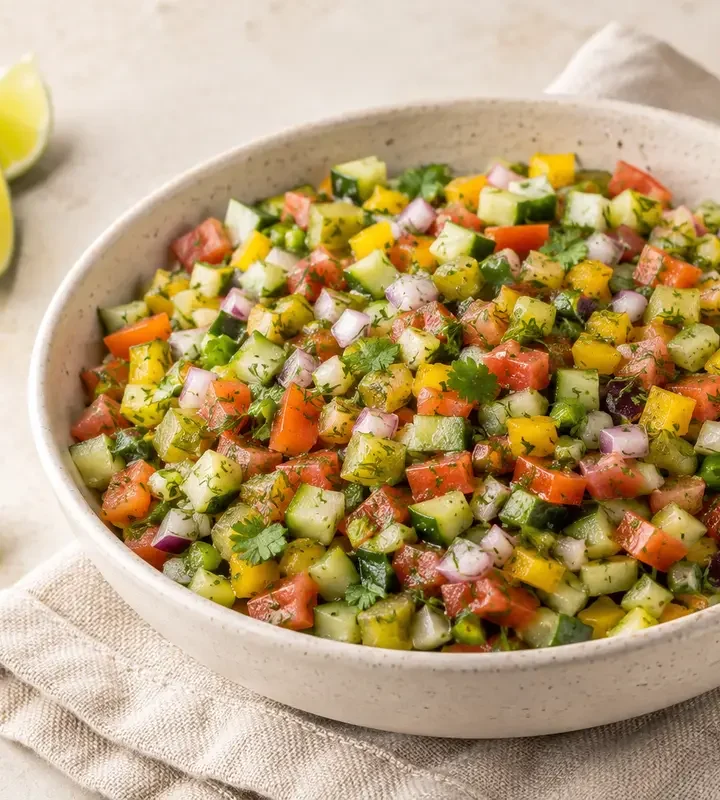
Pickle de Gallo: The Crunchy Pickle Salsa You Need
Pickle de Gallo combines crisp dill pickles, fresh vegetables, lime, herbs, and jalapeño in a tangy…
Get the recipe
Carbonara Buldak Ramen Recipe: Creamy and Spicy
This Carbonara Buldak Ramen Recipe turns fiery Korean instant noodles into a creamy 20-minute dinner with…
Get the recipe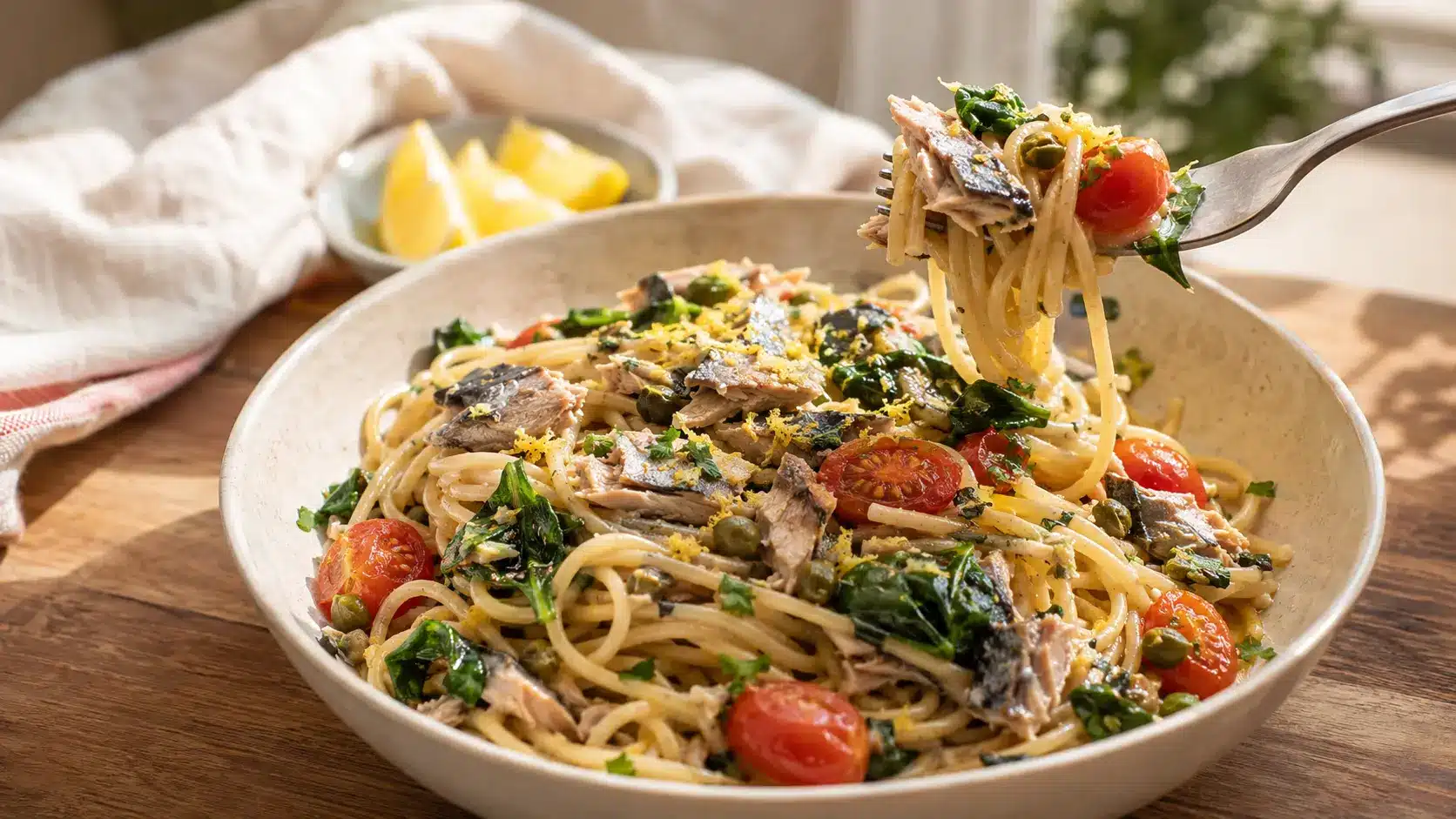
Canned Mackerel Recipes: Easy Lemon-Herb Pasta
Turn canned mackerel into a bright 20-minute pasta with lemon, garlic, tomatoes, spinach, capers, plus four…
Get the recipe