High Protein Salmon with Quinoa and Broccoli

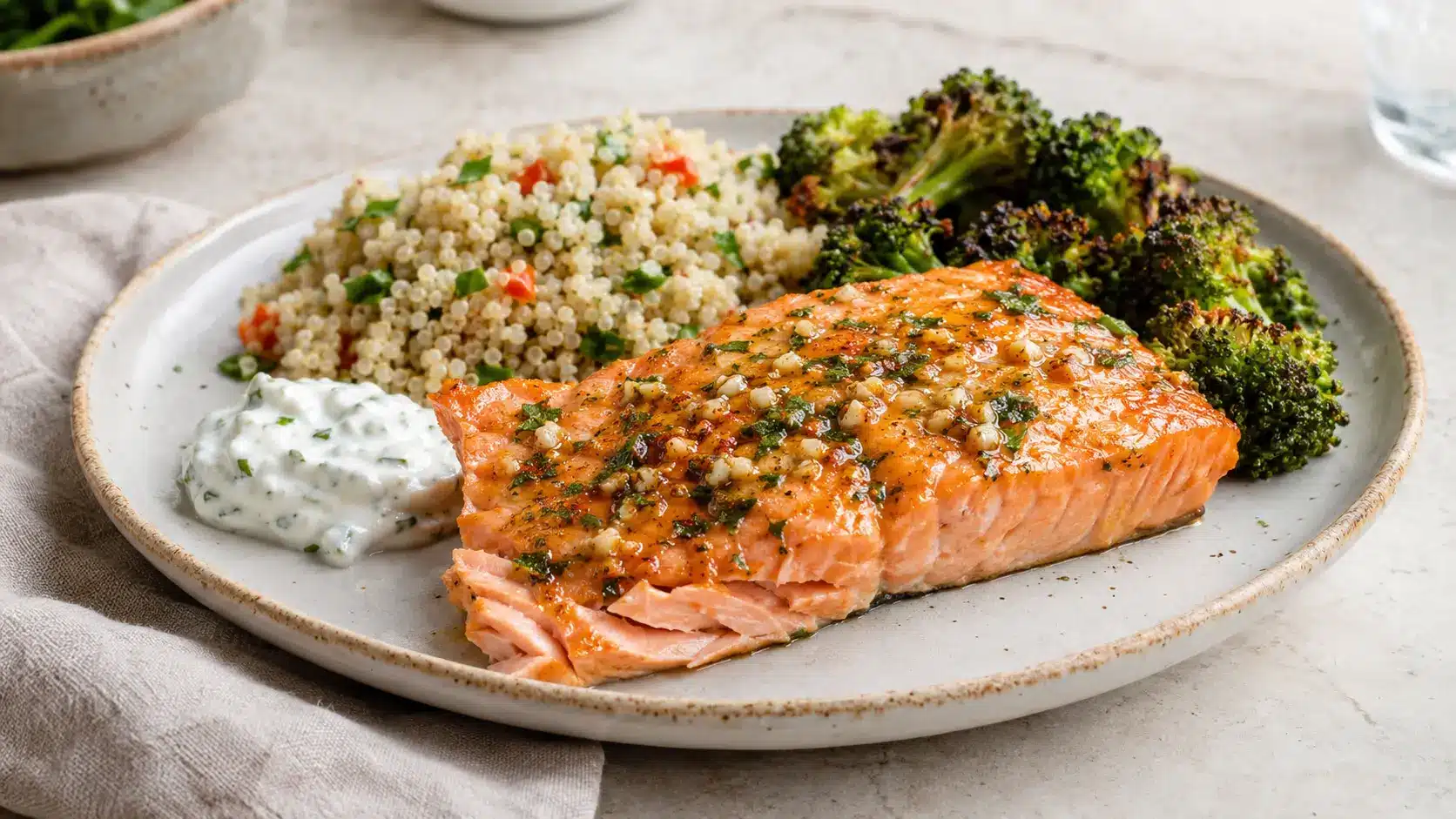
Table of Contents
Some dinners look healthy but leave you searching the kitchen an hour later. This high protein salmon is different: a generous salmon fillet, fluffy quinoa, roasted broccoli, and a cool Greek yogurt herb sauce create a complete meal that feels fresh and genuinely satisfying. I started making this combination on busy evenings when I wanted something more exciting than plain meal-prep chicken. The salmon stays moist under a lemon-garlic glaze, the broccoli develops crisp edges, and the quinoa catches every savory drop. Everything is simple enough for a weeknight, yet the finished plate looks like a meal you would happily serve to guests.

Why You’ll Love This High Protein Salmon
This recipe gives you a practical balance of protein, vegetables, and satisfying carbohydrates without relying on protein powder or complicated ingredients. A six-ounce portion of cooked salmon supplies substantial protein, while quinoa and Greek yogurt add a little more. The exact nutrition will vary with the salmon and brands you use, but one complete serving is estimated to provide about 44 grams of protein.
The method is forgiving, too. The salmon and broccoli roast on one pan while the quinoa cooks on the stove. During that time, you stir together the sauce. If you already enjoy easy protein-centered dinners, my lemon herb high-protein chicken skillet follows the same fresh, weeknight-friendly spirit.
A complete meal in about 35 minutes
The key is starting the quinoa first, then placing the salmon and broccoli in the oven. Those components finish at nearly the same time. There is no need to juggle several pans or prepare a separate dressing. The yogurt sauce works as both a creamy contrast and an extra layer of lemon-herb flavor.
What makes it high in protein?
Salmon does most of the work. Greek yogurt and quinoa support it without making the meal feel heavy. This is a food-first high-protein dinner rather than a recipe built around supplements. For another seafood idea that works well for entertaining or snack-style meals, see my tinned fish charcuterie board.
Ingredients You’ll Need
Choose center-cut salmon fillets of similar thickness so they cook evenly. Skin-on or skinless both work; skin-on fillets are especially easy to lift from the pan after roasting. Fresh broccoli gives the best browned edges, although thoroughly dried thawed broccoli can work in a pinch.

- Salmon: Four 6-ounce fillets make generous portions and stay moist in the oven.
- Quinoa: Rinse it well before cooking to remove its naturally bitter coating.
- Broccoli: Cut the florets into similar bite-size pieces for even roasting.
- Greek yogurt: Use plain, unsweetened yogurt for a tangy, protein-rich sauce.
- Lemon, garlic, and herbs: These add brightness and depth without masking the salmon.
- Olive oil and seasonings: A small amount helps the fish glaze and the broccoli caramelize.
Love protein-rich fish earlier in the day? My sardine breakfast toast is another savory option with bright lemon flavor.
How to Make High Protein Salmon
1. Cook the quinoa
Rinse the quinoa in a fine-mesh sieve until the water runs clear. Add it to a saucepan with water and a small pinch of salt. Bring to a boil, cover, reduce the heat, and simmer for about 15 minutes. Remove it from the heat and let it stand, covered, for 5 minutes before fluffing. Resting allows the grains to finish steaming without becoming wet or mushy.
2. Prepare the sheet pan
Heat the oven to 425°F and line a rimmed baking sheet with parchment paper. Toss the broccoli with half of the olive oil, a pinch of salt, and black pepper. Spread it around the outer part of the pan, leaving room for the salmon. Give the florets some space: crowded broccoli steams instead of browning.
3. Glaze and roast the salmon
Pat the fillets dry. Mix the remaining olive oil with minced garlic, lemon zest, lemon juice, smoked paprika, salt, and pepper. Brush the mixture over the salmon, then place the fillets in the center of the pan. Roast for 10 to 14 minutes, depending on thickness. The flesh should separate into moist flakes when gently pressed with a fork.
For food safety, use an instant-read thermometer and follow the current guidance appropriate for your household. The USDA lists 145°F as a safe minimum internal temperature for fin fish. Check the thickest part and remember that the temperature may rise slightly after the fish leaves the oven.
4. Mix the yogurt herb sauce
Stir Greek yogurt, chopped dill, parsley, lemon juice, and a spoonful of water until creamy and spoonable. Taste before adding extra salt because the sauce should remain bright and refreshing. If it is too thick, add water one teaspoon at a time.
5. Build the bowls
Divide the quinoa among four shallow bowls. Add roasted broccoli and one salmon fillet to each serving, then finish with yogurt herb sauce and a lemon wedge. Spoon any flavorful juices from the sheet pan over the quinoa.

Tips for Juicy, Flaky Salmon
Use fillets of equal thickness
A thin tail piece can cook several minutes faster than a thick center cut. If your pieces differ, remove the thinner fillet first and return the pan to the oven. Drying the surface before seasoning also helps the glaze cling rather than slide onto the parchment.
Do not wait for the salmon to look dry
Perfect salmon should appear moist at the center and flake with gentle pressure. Checking early is better than trying to rescue overcooked fish. A thermometer is particularly helpful while you learn how quickly your oven cooks different fillet sizes.
Give the broccoli room
Use a large rimmed pan. If the florets are tightly packed, place them on a second pan so hot air can circulate. The dark, crisp edges provide the contrast that makes a simple salmon bowl feel restaurant-worthy.
Easy Variations and Substitutions
Replace quinoa with brown rice, farro, or cauliflower rice. Asparagus, green beans, or zucchini can stand in for broccoli, but adjust their roasting time. For a sweeter glaze, add one teaspoon of honey. For gentle heat, mix red pepper flakes or a little cayenne into the garlic seasoning.
If you are cooking for two, halve the salmon and broccoli but consider making the full quantity of quinoa for lunches. For another date-night salmon idea, try this healthy lemon salmon dinner for two. If batch cooking is your priority, the structure also pairs well with my budget-friendly meal-prep guide.
Meal Prep, Storage, and Reheating
Cool the components promptly and store them in airtight containers in the refrigerator for up to three days. Keep the yogurt sauce separate so it stays fresh and creamy. For meal prep, portion the quinoa and broccoli first, then set the salmon on top once everything has cooled.
Reheat the salmon gently. Cover it loosely and warm it in a 300°F oven until just heated through, or microwave it at reduced power in short intervals. High heat can squeeze moisture from the fish. The quinoa benefits from a teaspoon of water before reheating. Serve the yogurt sauce cold after the rest of the bowl is warm.
Do not leave cooked fish at room temperature for extended periods. For current storage guidance, consult the official FoodSafety.gov cold-storage chart. For detailed nutrient information on specific salmon varieties and serving sizes, USDA FoodData Central is a useful reference.
What to Serve With It
The recipe is already a complete bowl, but a crisp cucumber salad, roasted carrots, or simple leafy greens are easy additions. A bean salad adds even more plant protein and fiber. When you want a cozy starter instead, a light vegetable soup works nicely without competing with the lemon and herbs.
For a lighter seafood spread, serve smaller salmon portions alongside the ideas in the coastal tinned fish board. The pickles, radishes, and fresh vegetables fit the same bright flavor profile.
Frequently Asked Questions
How much protein is in this salmon dinner?
Using a six-ounce salmon fillet, quinoa, and Greek yogurt, one serving is estimated at about 44 grams of protein. The exact amount depends on the species and cut of salmon, portion size, yogurt, and quinoa brand.
Can I use frozen salmon?
Yes. Thaw it completely in the refrigerator, drain any liquid, and pat the fillets very dry before glazing. Avoid roasting partially frozen pieces because the exterior may overcook before the center is ready.
Can I make high protein salmon in an air fryer?
Yes. Air-fry seasoned fillets at about 400°F until they reach your desired safe internal temperature, usually 7 to 11 minutes depending on thickness and the appliance. Cook the broccoli separately so the basket is not crowded.
Is this recipe gluten-free?
The listed ingredients are naturally gluten-free, but check labels on seasonings and packaged ingredients if cross-contact is a concern.
What can I use instead of Greek yogurt?
Skyr is a close high-protein substitute. Cottage cheese blended until completely smooth also works, although its flavor and sodium level may differ. For dairy-free sauce, use an unsweetened plant-based yogurt and note that the protein estimate will change.
Final Thoughts
This high protein salmon proves that a nourishing dinner can still feel colorful, creamy, and comforting. The lemon-garlic salmon is rich without being heavy, the roasted broccoli brings crisp texture, and the yogurt sauce ties the bowl together. Once you know the timing, it becomes an easy formula you can repeat with seasonal vegetables and your favorite grain. Save the recipe for your next busy evening, then make it your own with one of the simple variations above.
[hanaeats_recipe_card]

COOKED WITH HEART
A recipe by Hana
Easy, generous, carefully tested recipes to help you cook well without making everyday life complicated.
Discover more recipes →You Might Also Like
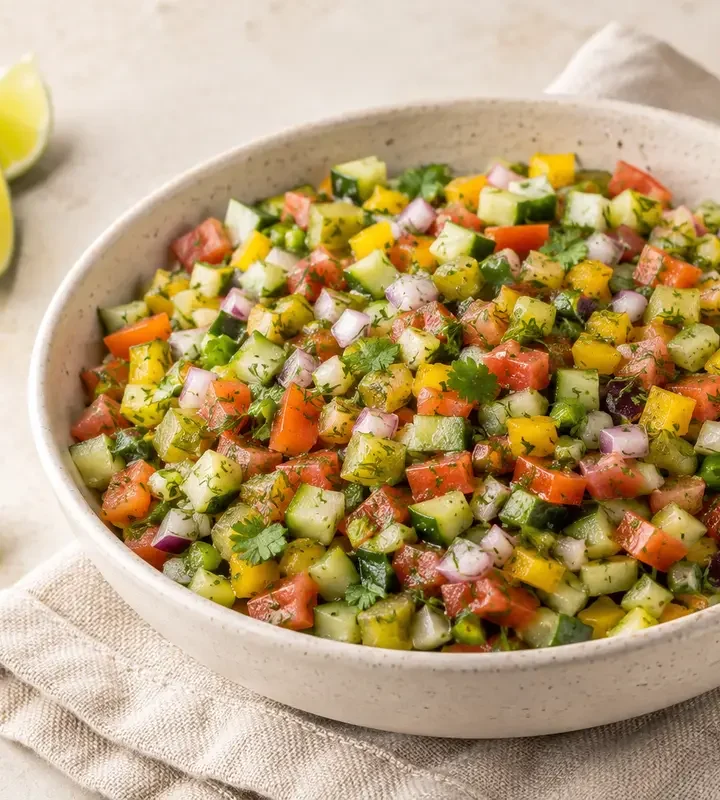
Pickle de Gallo: The Crunchy Pickle Salsa You Need
Pickle de Gallo combines crisp dill pickles, fresh vegetables, lime, herbs, and jalapeño in a tangy…
Get the recipe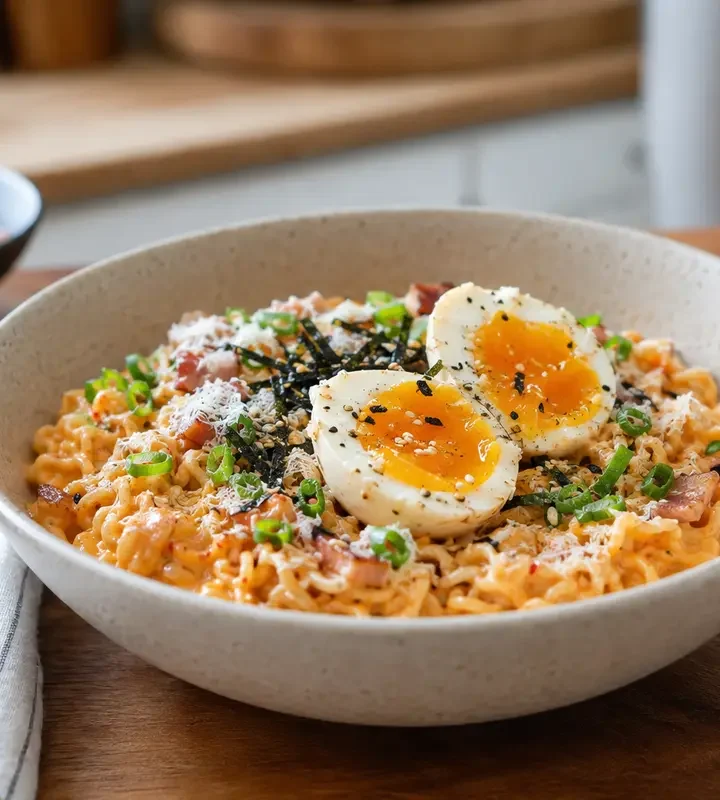
Carbonara Buldak Ramen Recipe: Creamy and Spicy
This Carbonara Buldak Ramen Recipe turns fiery Korean instant noodles into a creamy 20-minute dinner with…
Get the recipe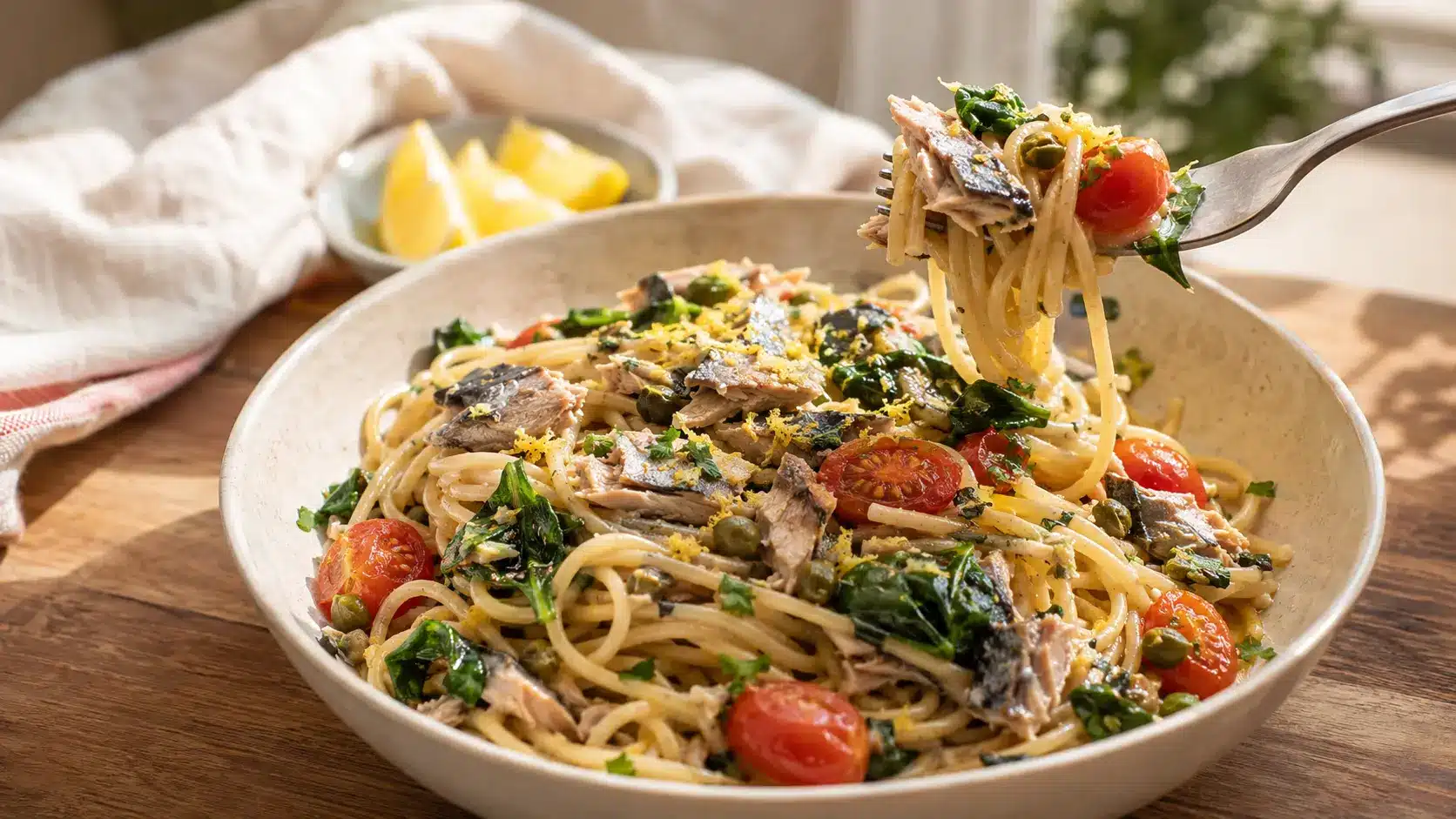
Canned Mackerel Recipes: Easy Lemon-Herb Pasta
Turn canned mackerel into a bright 20-minute pasta with lemon, garlic, tomatoes, spinach, capers, plus four…
Get the recipe