Carbonara Buldak Ramen Recipe: Creamy and Spicy


Carbonara Buldak Ramen Recipe is my answer to the moment when I want the famous fiery noodles but also crave a creamy, cozy dinner. The sauce keeps the chile-garlic personality of Korean hot chicken ramen, while milk, cream, butter, and Parmesan soften its sharpest edges without erasing the heat. Curly noodles catch the glossy sauce, and a jammy egg, scallions, sesame, and nori turn two instant packets into a generous meal for two. It takes about 20 minutes, uses one pot and one skillet, and is easy to adjust. The real trick is reserving noodle water, adding the spicy sauce gradually, and finishing the cheese away from hard heat.
Table of Contents
Part 1: Carbonara Buldak Ramen Recipe Foundations
What carbonara-style Buldak ramen should taste like
This is a Korean-inspired instant-noodle fusion, not traditional Italian carbonara. Classic carbonara uses eggs, hard cheese, cured pork, and pasta water; this shortcut builds creaminess with dairy and Parmesan around carbonara-flavor Buldak seasoning. A good spicy Korean ramen recipe should taste hot, savory, slightly sweet, and distinctly creamy, never like bland cheese sauce.
Too much milk makes the noodles soupy, while only cream can feel heavy. Milk with a smaller amount of cream gives the sauce body, and starchy cooking water helps it cling. For another noodle transformation, see these leftover spaghetti recipes; both depend on controlling moisture and heat.
Choose the noodles and control the spice level
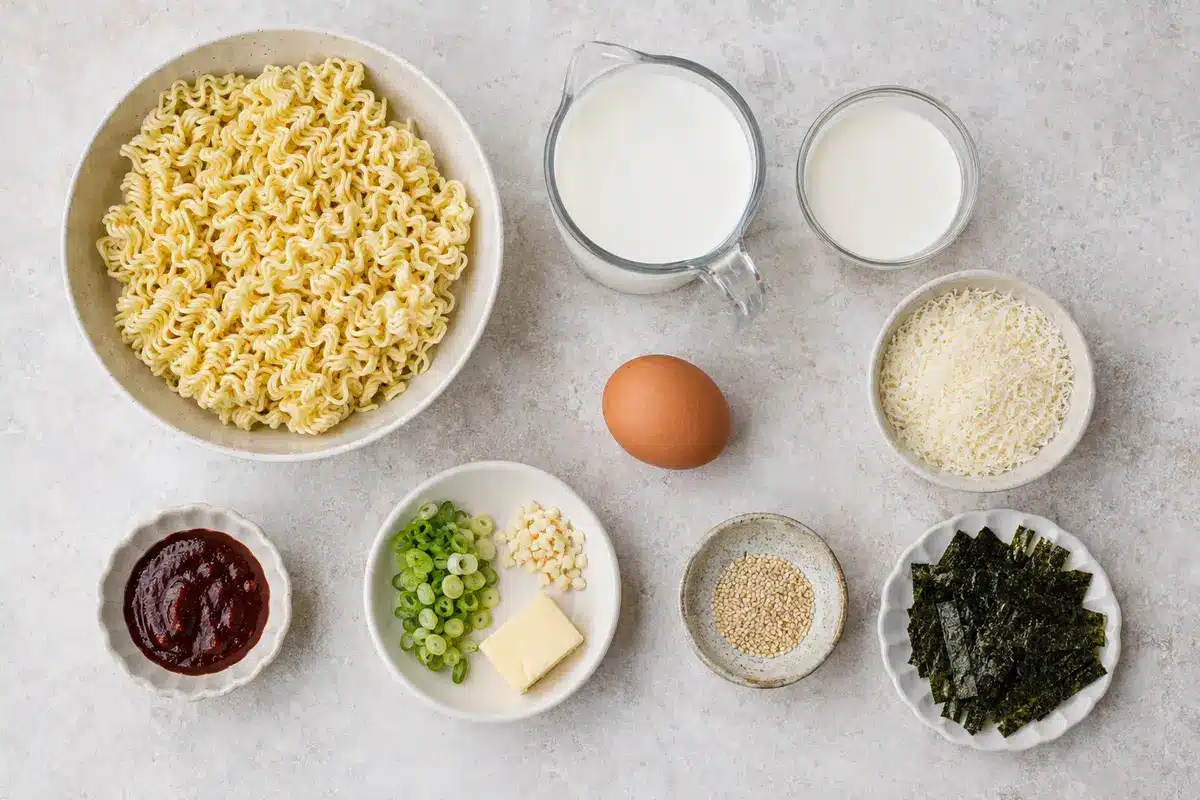
Use two packets of carbonara-flavor Korean hot chicken ramen. Keep the noodle blocks, powder packets, and liquid sauces separate. Heat varies, so do not automatically empty every sauce packet into the skillet. Start with one liquid packet for two servings, taste after adding dairy, then add more by teaspoons.
Finely grate Parmesan from a block; pre-shredded cheese can produce a grainy sauce. Whole milk is forgiving, butter rounds the chile, garlic adds depth, and scallions, sesame, and nori brighten the finish. If you like bold pantry dinners, the lemon-caper balance in canned mackerel recipes offers another useful formula.
Part 2: Cook the Creamy Buldak Noodles
Boil the noodles and save the right amount of water
Bring a medium pot of water to a rolling boil. Add the noodle blocks and cook until flexible but still pleasantly chewy, usually about four minutes or according to the package. Separate the curls gently with chopsticks rather than breaking them. Before draining, scoop out three quarters of a cup of cloudy noodle water. Drain the noodles promptly; rinsing would remove the starch that helps the carbonara-style sauce adhere.
For jammy centers, lower cold eggs into simmering water for seven to eight minutes, then move them to ice water before peeling. Cook longer for firm yolks. Here the egg is a topping, not the sauce base, so there is no raw egg to scramble.
Build a glossy sauce without splitting the dairy
Melt butter in a wide skillet over medium-low heat. Add minced garlic and stir for about 20 seconds, only until fragrant. Pour in the milk and cream, then whisk in both powder packets and one liquid sauce packet. Keep the mixture at a gentle simmer; a violent boil can separate the dairy and concentrate the sauce before the noodles arrive.
Add the drained noodles and one quarter cup reserved water. Toss continuously for one to two minutes until the curls look glossy and the sauce lightly coats the pan. Remove the skillet from the heat before adding Parmesan. Toss again, adding reserved water one tablespoon at a time if the sauce tightens. Cheese melts smoothly in residual heat, while direct high heat can make it clump or release oil.
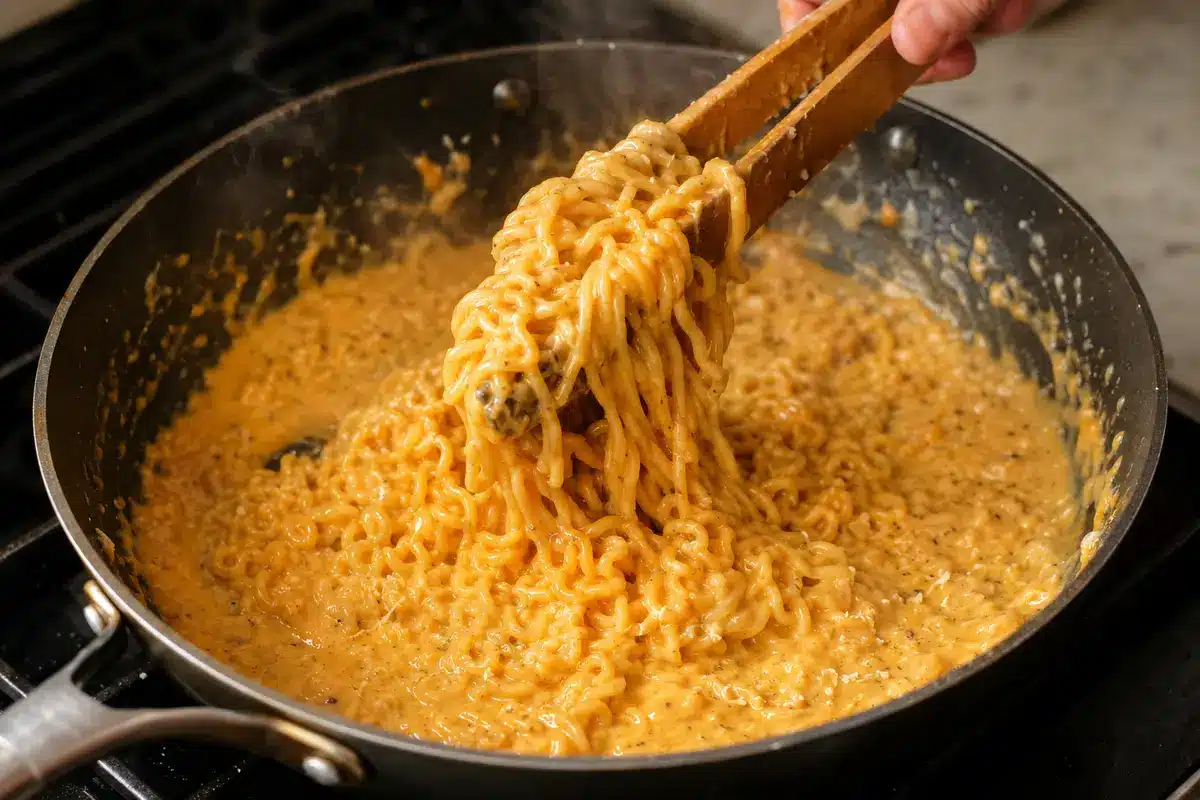
Taste now. Add more spicy sauce gradually for extra heat, or add a tablespoon of milk if the bowl is already too intense. The finished sauce should cling to lifted noodles instead of pooling underneath them. This same attention to a creamy but balanced finish is useful in Eggplant Parmesan, where excess moisture can also weaken an otherwise satisfying dish.
PrintCreamy Carbonara Buldak Ramen

Fiery carbonara-flavor Korean instant noodles coated in a smooth milk, cream, butter, and Parmesan sauce, finished with jammy eggs, scallions, sesame, and nori.
- Prep Time: PT8M
- Cook Time: PT12M
- Total Time: PT20M
- Yield: 2 servings 1x
- Category: Dinner
- Method: Stovetop
- Cuisine: Korean-American Fusion
- Diet: Vegetarian option
Ingredients
- 2 packages carbonara-flavor Korean hot chicken ramen
- 2 large eggs
- 1 tablespoon unsalted butter
- 1 garlic clove, finely minced
- 3/4 cup whole milk
- 1/4 cup heavy cream
- 1/3 cup finely grated Parmesan cheese, plus more for serving
- 1/4 to 3/4 cup reserved noodle cooking water, as needed
- 2 scallions, thinly sliced
- 1 teaspoon toasted sesame seeds
- 1 small sheet roasted nori, cut into strips
Instructions
- Bring a medium pot of water to a boil. Lower in the eggs and simmer for 7 to 8 minutes for jammy centers, or longer for firm yolks. Transfer the eggs to ice water, peel, and halve.
- Return the water to a boil. Add the two noodle blocks and cook until flexible but still chewy, about 4 minutes or according to the package.
- Reserve 3/4 cup noodle water, then drain the noodles without rinsing. Keep the powder packets and liquid spicy sauce packets separate.
- Melt the butter in a wide skillet over medium-low heat. Add the garlic and stir for about 20 seconds, just until fragrant.
- Add the milk, heavy cream, both powder packets, and one liquid spicy sauce packet. Whisk and bring to a gentle simmer, not a hard boil.
- Add the noodles and 1/4 cup reserved water. Toss for 1 to 2 minutes until the sauce looks glossy and lightly coats the noodles.
- Remove the skillet from the heat. Add the Parmesan and toss until smooth, loosening with reserved water one tablespoon at a time if needed.
- Taste and add more liquid spicy sauce gradually until the heat suits you. Add a tablespoon of milk if the noodles become hotter or thicker than desired.
- Divide between two warm bowls. Top with egg halves, scallions, sesame seeds, nori, and a small amount of extra Parmesan. Serve immediately.
Notes
The liquid sauce is very spicy, so begin with less and add it gradually. Finely grated block Parmesan melts more smoothly than pre-shredded cheese. Keep the dairy below a hard boil and add the Parmesan off heat.
Nutrition
- Serving Size: 1 bowl
- Calories: 690 kcal
- Sugar: 8 g
- Sodium: 1390 mg
- Fat: 34 g
- Saturated Fat: 17 g
- Unsaturated Fat: 14 g
- Trans Fat: 0 g
- Carbohydrates: 76 g
- Fiber: 3 g
- Protein: 22 g
- Cholesterol: 235 mg
Keywords: Carbonara Buldak Ramen Recipe, creamy Buldak ramen, carbonara Buldak noodles, spicy Korean ramen recipe, Buldak carbonara recipe
Part 3: Variations and Serving Ideas
Adjust the heat, richness, and protein
For milder creamy Buldak ramen, begin with half a liquid sauce packet and add two tablespoons milk. Too much Parmesan makes noodles salty and pasty. For more heat, add the second sauce gradually; this preserves the recognizable flavor of a Buldak carbonara recipe.
Add cooked chicken, shrimp, tofu, or sautéed mushrooms after the sauce becomes smooth. Keep additions to about one cup so they do not absorb every drop. Easy fried cabbage adds smoky vegetables, while high protein salmon suits a complete protein-centered dinner.
Use toppings and sides that create contrast
Divide the noodles immediately between warm bowls. Add jammy egg halves, sliced scallions, toasted sesame, nori strips, and a restrained shower of Parmesan. Kimchi, quick cucumber salad, steamed bok choy, or roasted broccoli cuts through the richness. Crisp vegetables are especially welcome because the noodles and sauce are both soft.
Cold drinks calm the palate between bites. Choose a citrus tea or lemonade from these easy summer lemonades and iced teas. If you need a more substantial table, serve smaller noodle portions beside vegetables or a simple protein rather than making each bowl larger. Carbonara Buldak noodles are rich and usually high in sodium, so a moderate portion with fresh sides feels more balanced.

Part 4: Storage and Troubleshooting
Store and reheat leftovers without drying the sauce
This Carbonara Buldak Ramen Recipe is best eaten immediately because instant noodles continue absorbing sauce as they stand. Refrigerate leftovers in a shallow, covered container within two hours. The USDA leftovers guidance recommends using most cooked leftovers within three to four days. For the best noodle texture, use this dish within two days and keep egg toppings refrigerated separately.
Reheat gently in a skillet over low heat with two tablespoons of milk or water per serving. Cover for one minute, then toss until hot. A microwave works in short intervals, but stir between each one so the dairy heats evenly. Freezing is not recommended because the sauce can separate and the instant noodles become very soft after thawing.
Fix sauce that is too hot, thin, thick, salty, or grainy
If the ramen is too hot, remove it from direct heat and add milk one tablespoon at a time. A little extra butter also rounds the burn. If it is thin, toss over low heat for 30 seconds; if it is thick, add reserved noodle water. Grainy sauce usually means the Parmesan met boiling liquid. Take the skillet off the stove, add a splash of milk, and toss firmly.
If the dish tastes too salty, do not add more cheese or seasoning powder. Dilute it with unseasoned noodles, vegetables, or a little milk. The FDA sodium guidance notes a Daily Value below 2,300 milligrams, so checking the packet label is helpful when planning toppings and sides. Finally, if the sauce looks oily, add warm noodle water by teaspoons and toss until it comes back together.
Frequently Asked Questions
How can I make Carbonara Buldak ramen less spicy?
Start with half to one liquid sauce packet for two noodle blocks, then add more only after the milk and cream are incorporated. Extra milk, butter, egg, and mild vegetables can soften the heat without making the sauce bland.
Can I make creamy Buldak ramen without heavy cream?
Yes. Use whole milk and reduce the reserved noodle water at first. The sauce will be lighter but still creamy once the Parmesan melts. Evaporated milk is another stable option, but avoid sweetened condensed milk.
Does a Buldak carbonara recipe need raw egg?
No. This version uses milk, cream, butter, and Parmesan for the sauce, then adds a fully cooked jammy egg on top. That approach is simple, creamy, and less likely to turn into scrambled egg.
Can I reheat carbonara Buldak noodles?
Yes, although the noodles soften after chilling. Reheat them gently in a skillet with a splash of milk or water, toss until hot, and add fresh scallions or nori after reheating. Use refrigerated leftovers within two days for the best texture.
Conclusion
A reliable Carbonara Buldak Ramen Recipe is less about adding endless dairy and more about careful balance. Cook the noodles only until chewy, save their starchy water, begin with part of the fiery liquid seasoning, and keep the milk-and-cream sauce at a gentle simmer. Once the noodles are glossy, remove the skillet from the heat before folding in finely grated Parmesan. That order protects the sauce from becoming grainy and lets you adjust both heat and thickness. Finish each bowl with a cooked egg, scallions, sesame, and nori, then add a crisp vegetable side. In about 20 minutes, two instant packets become a creamy, spicy dinner that still tastes unmistakably like Buldak.

COOKED WITH HEART
A recipe by Hana
Easy, generous, carefully tested recipes to help you cook well without making everyday life complicated.
Discover more recipes →You Might Also Like
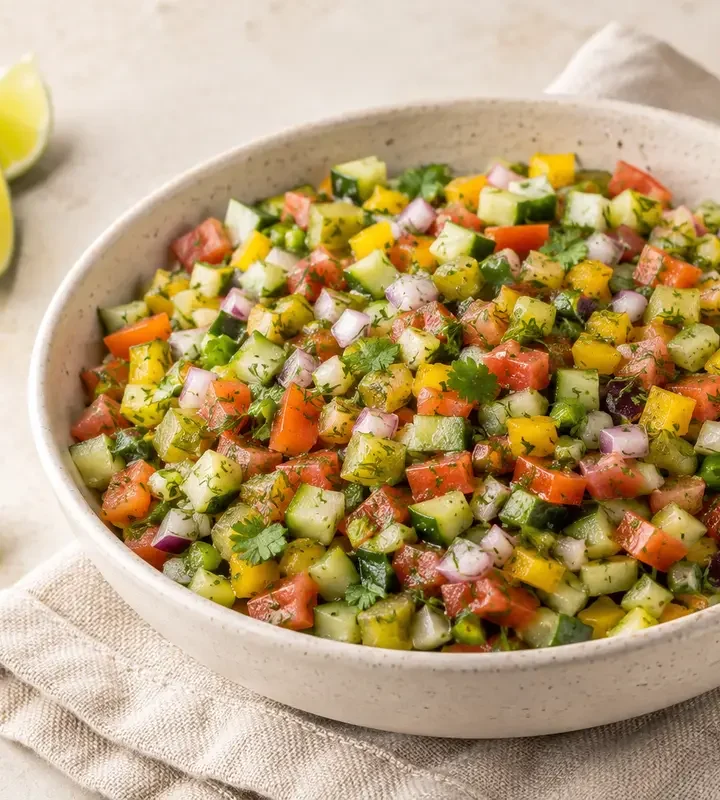
Pickle de Gallo: The Crunchy Pickle Salsa You Need
Pickle de Gallo combines crisp dill pickles, fresh vegetables, lime, herbs, and jalapeño in a tangy…
Get the recipe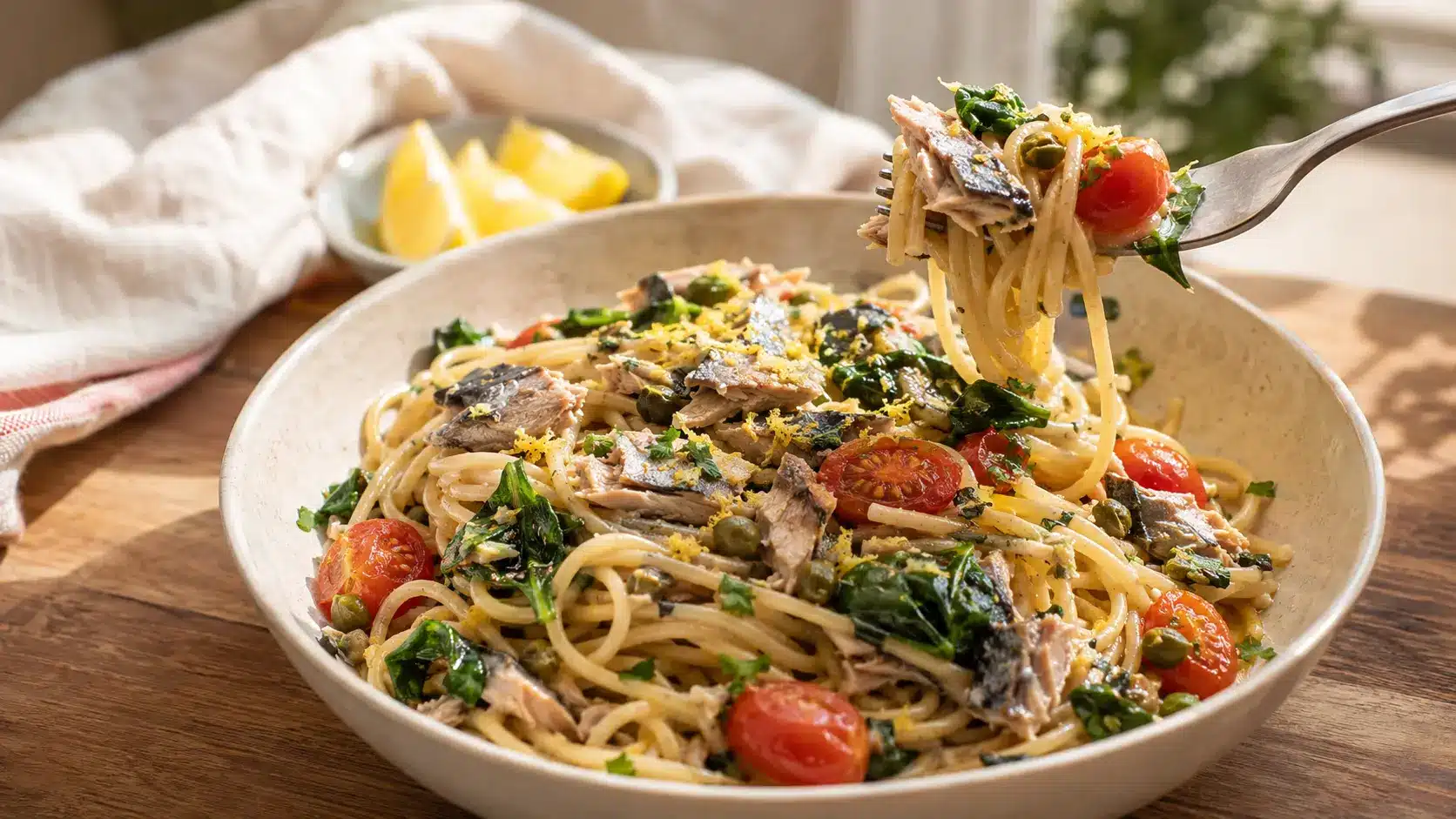
Canned Mackerel Recipes: Easy Lemon-Herb Pasta
Turn canned mackerel into a bright 20-minute pasta with lemon, garlic, tomatoes, spinach, capers, plus four…
Get the recipe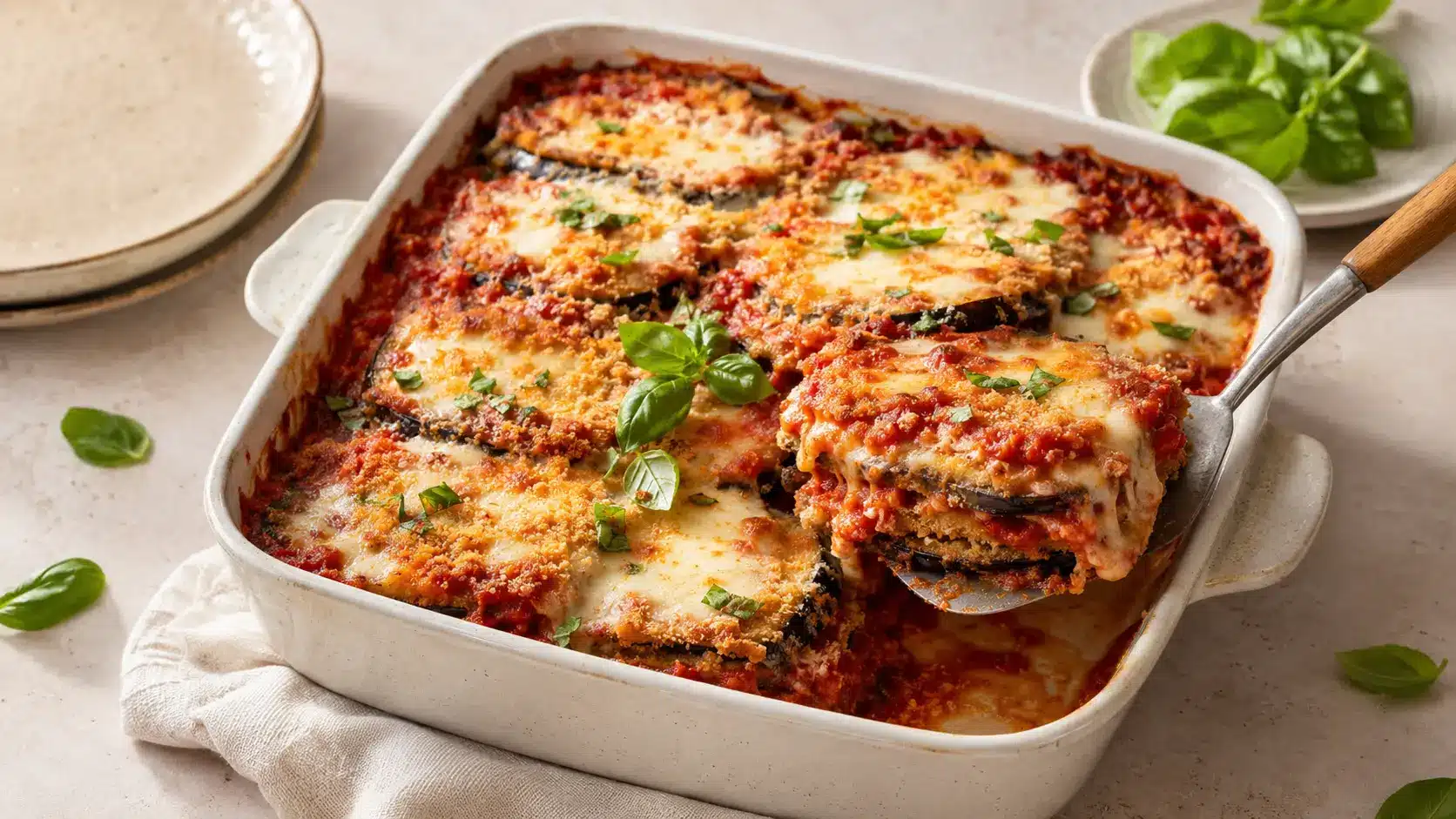
Eggplant Parmesan Recipe: Crispy, Saucy, and Cheesy
A dependable baked eggplant Parmesan with crisp breaded slices, bright marinara, melted mozzarella, make-ahead guidance, and…
Get the recipe