Easy Golumpki Soup Recipe with Ground Beef

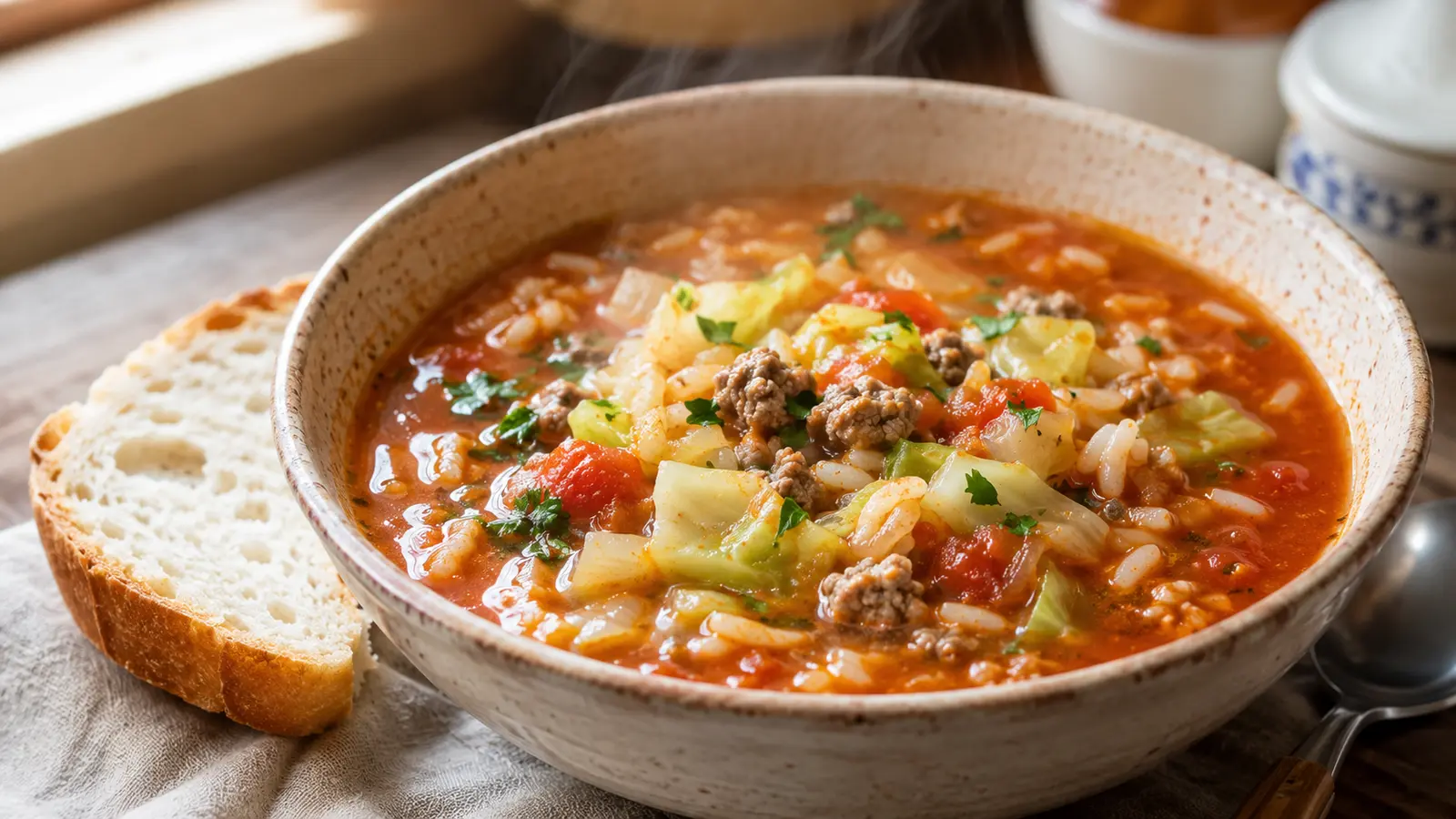
Table of Contents
Golumpki soup is everything I love about Polish stuffed cabbage rolls, simmered together in one cozy pot. You get tender cabbage, savory ground beef, rice, onion, and a rich tomato broth without boiling leaves or rolling individual bundles. It is the kind of practical family dinner that fills the kitchen with a comforting aroma and tastes even better the next day. My version stays close to the familiar sweet-and-savory character of traditional golumpki while keeping the method simple enough for a busy evening. With about fifteen minutes of preparation and one Dutch oven, you can have a hearty bowl on the table in under an hour.

What Is Golumpki Soup?
Golumpki, also written gołąbki, are Polish cabbage rolls filled with meat and rice and cooked in tomato sauce. Golumpki soup turns those same elements into an unstuffed cabbage roll soup. Instead of carefully wrapping the filling inside softened cabbage leaves, you chop the cabbage and simmer it directly in the broth.
The soup is not meant to be an exact replacement for a family’s traditional rolls. It is a faster interpretation that gives you the same comforting flavors in a spoonable meal. If cabbage is already a favorite in your kitchen, try my creamy Cabbage Alfredo or easy Fried Cabbage with Bacon next.
Why You’ll Love This Recipe
- Everything cooks in one pot, so cleanup stays manageable.
- There is no need to blanch, fill, or roll cabbage leaves.
- Ground beef, rice, and cabbage make it satisfying enough for dinner.
- The tomato broth develops deeper flavor as the soup rests.
- Leftovers reheat beautifully for lunch or meal prep.

Ingredients for Traditional Golumpki Flavor
Simple ingredients do the work here. Use green cabbage because its sturdy leaves soften without disappearing into the broth. Lean ground beef provides richness without leaving the soup greasy, while uncooked long-grain white rice thickens the broth slightly as it cooks.
- Ground beef: An 85% to 90% lean blend gives a good balance of flavor and texture.
- Green cabbage: Chop it into bite-size pieces and discard the tough core.
- Long-grain white rice: Add it uncooked so it absorbs the seasoned broth.
- Onion and garlic: Build the savory base of the soup.
- Crushed tomatoes and tomato sauce: Create a full-bodied broth with a smooth tomato backbone.
- Tomato paste: Adds concentrated flavor and a hint of sweetness.
- Beef broth: Keeps the soup hearty; choose low-sodium broth so you can season gradually.
- Paprika, thyme, and bay leaf: Add warmth without overpowering the cabbage.
- Brown sugar: A small amount softens the acidity of the tomatoes and echoes classic cabbage-roll sauce.
Can I Use Ground Turkey?
Yes. Ground turkey makes a lighter soup, though the broth will taste less rich. Choose ground turkey with a little fat rather than extra-lean breast meat. Add one tablespoon of olive oil when browning it and consider using a robust beef-style or chicken broth.
How to Make Golumpki Soup
Heat a large Dutch oven over medium-high heat. Add the ground beef and cook until browned, breaking it into small pieces with a wooden spoon. Drain excess fat if needed, but leave a thin coating in the pot for flavor. Ground beef should reach 160°F according to the FoodSafety.gov minimum-temperature chart.
Add the diced onion and cook until soft, about four minutes. Stir in the garlic and tomato paste and cook for one minute. Briefly cooking tomato paste darkens it slightly and removes the raw canned taste.
Pour in the crushed tomatoes, tomato sauce, and beef broth. Stir in paprika, thyme, bay leaf, brown sugar, black pepper, and salt. Add the chopped cabbage and bring the pot to a gentle boil. The cabbage may seem abundant, but it wilts quickly.
Stir in the uncooked rice, reduce the heat, and cover the pot loosely. Simmer for 20 to 25 minutes, stirring every few minutes so the rice does not settle on the bottom. The soup is ready when the rice is tender and the cabbage is soft but still has some texture. Remove the bay leaf, taste, and adjust the seasoning.
Hana’s Tip for the Right Consistency
Rice continues to absorb broth as the soup rests. Keep one extra cup of broth nearby and add a splash before serving or reheating. This prevents leftovers from becoming more like a casserole than a soup.

How to Keep Rice from Getting Mushy
Use long-grain white rice and begin checking it around the 18-minute mark. Keep the soup at a gentle simmer rather than a vigorous boil. Stir often enough to prevent sticking, but not so aggressively that the grains break down.
If you plan to freeze the soup, you can cook the rice separately and add it to individual bowls. Freeze the cabbage, beef, and tomato soup base without rice, then prepare fresh rice when serving. This gives you the best texture after thawing.
Easy Recipe Variations
Golumpki Soup with Sausage
Replace half of the ground beef with mild Polish sausage or smoked kielbasa. Brown fresh sausage with the beef, or add sliced cooked kielbasa with the broth. Taste before salting because sausage can be quite seasoned.
Low-Carb Cabbage Roll Soup
Omit the rice and reduce the broth by about one cup. You can add cauliflower rice during the final five minutes. The result is lighter but still has the tomato, beef, and cabbage character of the original.
Slow Cooker Method
Brown the beef, onion, garlic, and tomato paste on the stovetop first. Transfer everything except the rice to a slow cooker and cook on low for six to seven hours. Stir in cooked rice before serving. Adding uncooked rice too early can make it overly soft.
What to Serve with Golumpki Soup
Crusty rye bread, sourdough, or warm dinner rolls are ideal for soaking up the tomato broth. A spoonful of sour cream adds a cool, creamy contrast. Fresh parsley or dill makes a simple finishing touch.
For a larger comfort-food menu, serve the soup beside Honey-Glazed Brussels Sprouts or Crack Green Beans with Bacon. For another practical family meal, save my Lemon Herb Chicken Skillet and Sausage and Veggie Meal Prep.
Storage, Reheating, and Freezing
Let the soup cool briefly, then transfer it to shallow airtight containers and refrigerate promptly. Cooked leftovers generally keep for three to four days; the FoodSafety.gov cold-storage chart provides current guidance for refrigerated foods.
Reheat on the stovetop over medium-low heat, adding broth or water until the consistency loosens. Stir frequently because rice can settle. Individual bowls can be microwaved in short intervals, stirring between each interval.
For freezing, cool the soup completely and portion it into freezer-safe containers, leaving space for expansion. Freeze for up to three months for best quality. Thaw overnight in the refrigerator and reheat gently. Soup made with rice will be softer after freezing, which is why separately cooked rice is useful for freezer meal prep.
Common Mistakes to Avoid
Adding Too Much Rice
Half a cup may not look like much, but it expands and absorbs plenty of liquid. Adding extra rice can turn the soup thick and leave too little broth.
Overcooking the Cabbage
Cut the cabbage into consistent pieces and stop cooking when it is tender. Long boiling produces a strong aroma and removes the pleasant texture.
Skipping the Final Taste
Tomatoes, broth, and ground beef vary in salt and acidity. Taste after the rice is cooked. Add salt, pepper, or a small pinch of brown sugar only if the balance needs it.
Frequently Asked Questions
Is golumpki soup Polish?
It is a modern soup inspired by Polish gołąbki, or stuffed cabbage rolls. It uses the familiar meat, rice, cabbage, and tomato flavors in an easier one-pot form.
Do you cook rice before adding it?
No. This recipe adds uncooked long-grain rice directly to the broth. If freezing the soup, cooking rice separately gives better texture.
Can I use leftover cooked rice?
Yes. Reduce the broth by about one cup and stir in two cups of cooked rice during the final five minutes, just long enough to heat it through.
Why is my golumpki soup too thick?
The rice absorbed more liquid while cooking or resting. Stir in warm broth until the soup reaches your preferred consistency, then adjust the seasoning.
Cozy Stuffed-Cabbage Flavor Without the Work
Golumpki soup delivers the heart of cabbage rolls in a relaxed one-pot dinner. The beef is savory, the cabbage turns tender, and the rice makes each bowl satisfying. Keep this recipe close for chilly nights, simple Sunday dinners, or any time you want traditional comfort without spending the afternoon rolling cabbage leaves.
[hanaeats_recipe_card]

COOKED WITH HEART
A recipe by Hana
Easy, generous, carefully tested recipes to help you cook well without making everyday life complicated.
Discover more recipes →You Might Also Like
Clam Chowder Recipes: Creamy New England Chowder
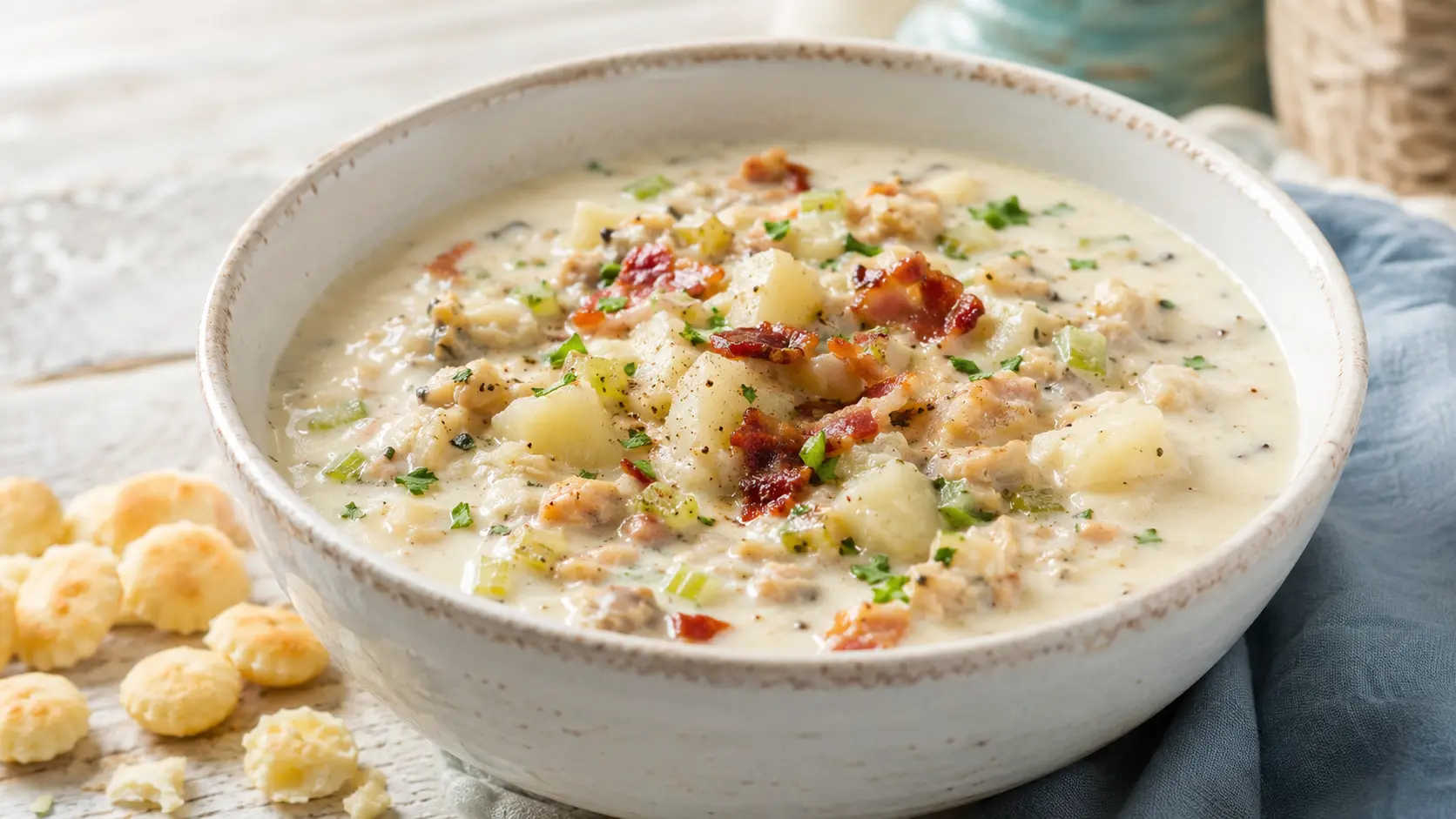
A reliable New England clam chowder with tender clams, Yukon Gold potatoes, smoky bacon, and a…
Get the recipe
Anti-Inflammatory Detox Soup for Weight Loss: Easy & Healthy
Introduction If you have been feeling sluggish, bloated, or just need a reset after a period…
Get the recipe
Mexican Noodle Soup: Cozy Comfort in Every Spoonful
Introduction Mexican Noodle Soup, or sopa de fideo, is more than just a recipe—it’s comfort in…
Get the recipe